Safety Features to Include in Concrete Walks and Steps
People seeking concrete walks and steps installation typically want safe, durable features, and local service providers can help incorporate essential safety elements effectively.
If you’re considering improvements to your property’s outdoor spaces, understanding the key safety features to include in concrete walks and steps is essential. Properly designed and constructed concrete surfaces can significantly reduce the risk of slips, trips, and falls, making outdoor areas safer for everyone. Property owners in the area often explore this topic to ensure their walkways and steps are not only functional but also compliant with safety standards, especially as they age or experience weather-related wear. Local contractors who specialize in concrete installation can help identify and incorporate practical safety features that enhance durability and stability, giving peace of mind to homeowners and visitors alike.
Keeping safety in mind during the planning and installation of concrete walks and steps can lead to long-term benefits, such as fewer accidents and lower maintenance needs. Features like textured surfaces, proper slope grading, and slip-resistant finishes are common considerations that local service providers can incorporate into their work. Whether updating existing outdoor paths or installing new ones, property owners are encouraged to explore safety-focused options to ensure their outdoor spaces remain accessible and secure. Connecting with experienced local contractors can help make informed decisions about the best safety features to include in concrete walks and steps tailored to specific property needs.
- Concrete walks and steps installation services are essential when designing surfaces with slip-resistant textures to prevent falls and accidents. Local contractors can incorporate safety features such as textured finishes and proper drainage to enhance stability and reduce hazards. When planning for accessibility, experts often include features like gentle slopes and tactile indicators to accommodate all users. For areas prone to freezing, local pros may add heating elements or anti-slip coatings to improve safety during winter months. Contacting experienced service providers ensures that safety features are integrated effectively into concrete walkways and steps.
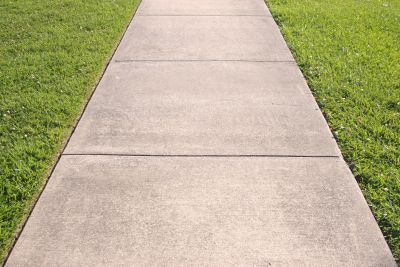
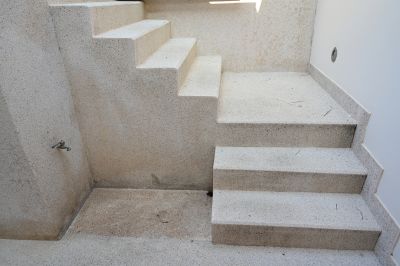

When homeowners search for safety features to include in concrete walks and steps, they are often looking for ways to prevent accidents and ensure the safety of everyone using these outdoor surfaces. This concern typically arises when planning new installations or upgrades for residential properties, commercial spaces, or public areas. Many property owners want to minimize the risk of slips, trips, and falls, especially in areas prone to moisture, ice, or uneven terrain. Understanding what safety features are available helps homeowners make informed decisions that can improve accessibility and reduce liability, making the outdoor environment safer for family members, visitors, or employees.
The types of problems that safety features address are varied but often include issues like uneven surfaces, poor drainage, inadequate lighting, and lack of tactile indicators. For properties with older or deteriorating concrete, cracks and uneven steps can become hazards over time. In colder climates, ice buildup on walkways and steps can lead to dangerous slips. Homeowners planning new concrete projects or renovations may consider incorporating safety elements such as textured finishes, proper drainage slopes, or non-slip coatings. These features are essential for creating a secure walking surface that accommodates all users, including those with mobility challenges or visual impairments.
Properties that frequently come up in discussions about safety features for concrete walks and steps include residential homes, apartment complexes, commercial storefronts, and public parks. Each property type has unique safety considerations based on its use and environment. For example, residential properties often focus on slip-resistant surfaces and lighting for nighttime safety, while commercial properties may require ADA-compliant features like ramps, tactile indicators, and wider walkways. Public spaces, on the other hand, often need durable safety features that can withstand high foot traffic and weather conditions. Local contractors specializing in concrete installation understand these needs and can recommend tailored safety solutions that match the specific property type and usage.
Incorporating safety features into concrete walks and steps is a practical step toward creating secure outdoor environments. Local service providers can assist homeowners by evaluating existing conditions and suggesting appropriate safety enhancements, such as textured finishes, proper slope design, or slip-resistant coatings. These professionals ensure that safety features are integrated seamlessly into the overall design, helping to prevent accidents and improve accessibility. Whether installing new concrete surfaces or upgrading existing ones, connecting with experienced local contractors is a key part of ensuring that safety considerations are properly addressed in every project.
Retaining wall construction - building retaining walls involves planning and installing structures that can enhance safety and stability for outdoor walkways and steps, requiring similar skills and tools as concrete work.
Outdoor lighting installation - designing and installing lighting systems to improve visibility around concrete walks and steps aligns with safety considerations and planning for outdoor safety features.
Landscape grading projects - proper grading ensures proper drainage and reduces slip hazards on concrete surfaces, making it a related service that local contractors can provide.
Concrete repair and restoration - fixing cracks and uneven surfaces in existing concrete walks and steps helps maintain safety and requires similar expertise in concrete work and planning.
Handrail and guardrail installation - installing safety rails alongside concrete steps and walks involves planning and precise installation, closely related to safety feature integration.
Surface finishing and texturing - applying surface textures to concrete surfaces to improve slip resistance is a related skill that local service providers can offer for enhanced safety features.
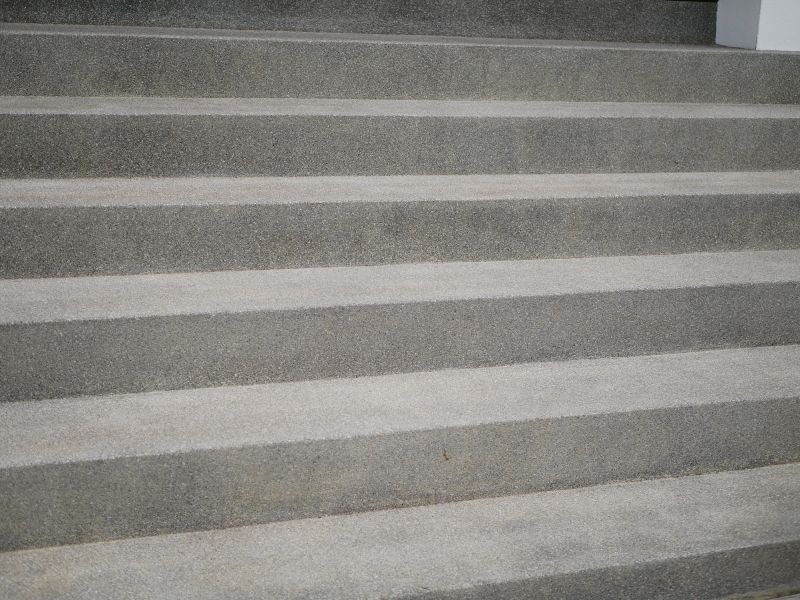
When comparing local contractors for installing concrete walks and steps, it is important to consider their experience with similar projects. An experienced service provider will have a clear understanding of the specific safety features to include in concrete walks and steps, such as proper slip-resistant finishes, appropriate step height and depth, and adequate lighting considerations. Contractors who have completed comparable work are more likely to anticipate potential challenges and deliver results that meet safety standards, ensuring that the finished project provides both functionality and security.
Clear written expectations are essential when evaluating potential service providers. Homeowners should seek contractors who can provide detailed proposals outlining the scope of work, the safety features to be incorporated, and the materials to be used. This transparency helps ensure that everyone is aligned on the project goals and safety priorities. Well-defined expectations also reduce misunderstandings and make it easier to compare bids based on the comprehensiveness of safety considerations, ultimately leading to a more informed decision.
Reputable references and good communication are key indicators of a reliable contractor. When researching local pros, it is beneficial to ask for references from previous clients who had similar projects, especially those that involved safety features in concrete walks and steps. This feedback can provide insights into the contractor’s ability to deliver quality work and maintain open, responsive communication throughout the project. A contractor who actively listens, provides clear explanations, and keeps homeowners informed fosters a smoother process and helps ensure that safety features are properly integrated into the final installation.
Property owners often search for safety features to include in concrete walks and steps when they are planning practical projects around their homes and businesses. Local pros provide Concrete Walks and Steps Installation services for everyday jobs and straightforward project options.
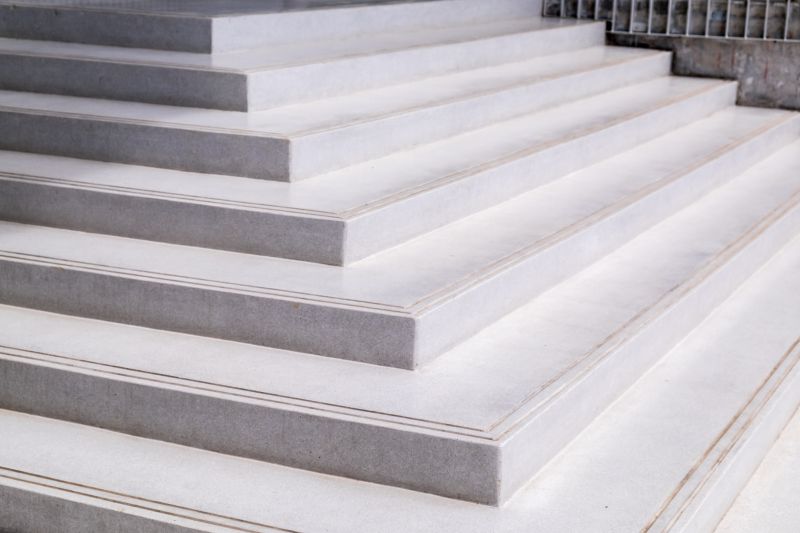
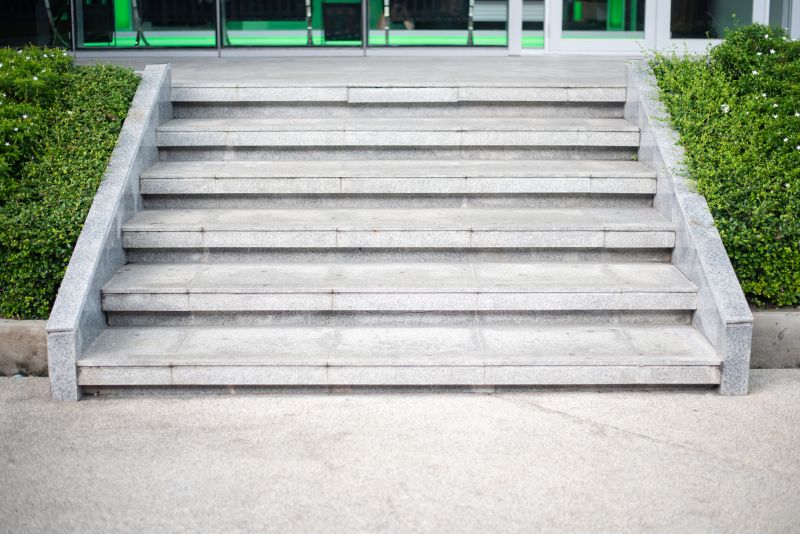
When planning for concrete walks and steps around a property, property owners often consider safety features that can help prevent accidents and improve accessibility. Features such as textured or non-slip surfaces, proper lighting, and clearly defined edges are common concerns for those wanting to ensure safe passage, especially during wet or icy conditions. Local contractors who specialize in concrete installation are experienced in incorporating these safety elements, making it easier for property owners to create durable and secure outdoor pathways that reduce the risk of slips and falls in everyday situations.
In addition to surface treatments, local service providers can advise on the inclusion of features like gentle slopes for easier navigation and the installation of handrails where needed. These simple safety considerations can be particularly important for homes with children, elderly residents, or visitors with mobility challenges. By working with experienced concrete professionals, property owners can ensure that safety features are integrated seamlessly into the design, providing peace of mind while enhancing the overall functionality and appearance of outdoor walkways and steps.
What safety features should be included in concrete walks and steps? Features such as slip-resistant surfaces, proper lighting, and textured finishes help prevent falls and improve safety on concrete walks and steps.
How can local contractors enhance the safety of concrete steps? They can add non-slip coatings, install handrails, and ensure proper drainage to reduce hazards and improve stability.
Are textured finishes a good safety feature for concrete walks? Yes, textured finishes increase traction, making walks and steps safer, especially in wet or icy conditions.
What role does lighting play in the safety of concrete walks and steps? Adequate lighting improves visibility, helping prevent trips and falls during nighttime or low-light conditions.
Can adding handrails improve safety on concrete steps? Yes, handrails provide support and stability, reducing the risk of falls on steps and uneven surfaces.
Non-slip surfaces - Incorporating textured finishes or slip-resistant coatings can help prevent falls on concrete walks and steps, especially in wet conditions, with local contractors able to add these safety features during installation.
Adequate lighting - Installing proper lighting along walkways and staircases ensures visibility at night, and experienced service providers can integrate lighting solutions seamlessly into concrete projects.
Proper drainage - Ensuring proper slope and drainage features in concrete walks and steps helps prevent water accumulation and ice formation, with local pros able to design and implement effective drainage solutions.
Handrails and edge protection - Adding sturdy handrails and edge barriers offers support and safety along steps and elevated areas, and local contractors can incorporate these features to enhance safety in outdoor concrete installations.
If you are thinking about safety features to include in concrete walks and steps for a property, this guide is meant to help you understand this topic, the typical project types, and how different options might fit your plans.
When you are ready, you can use the quote form on this page to share a few details about your project. From there, local pros can review the basics and follow up with options that match what you have in mind.